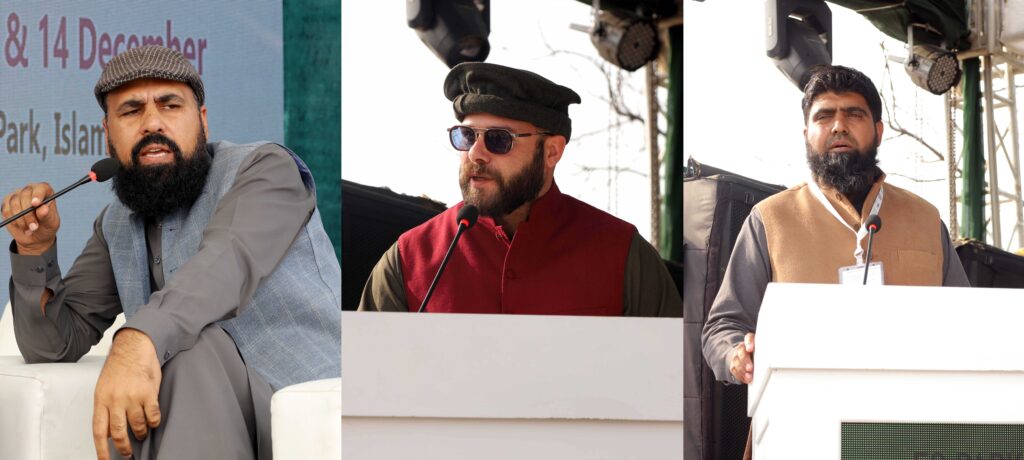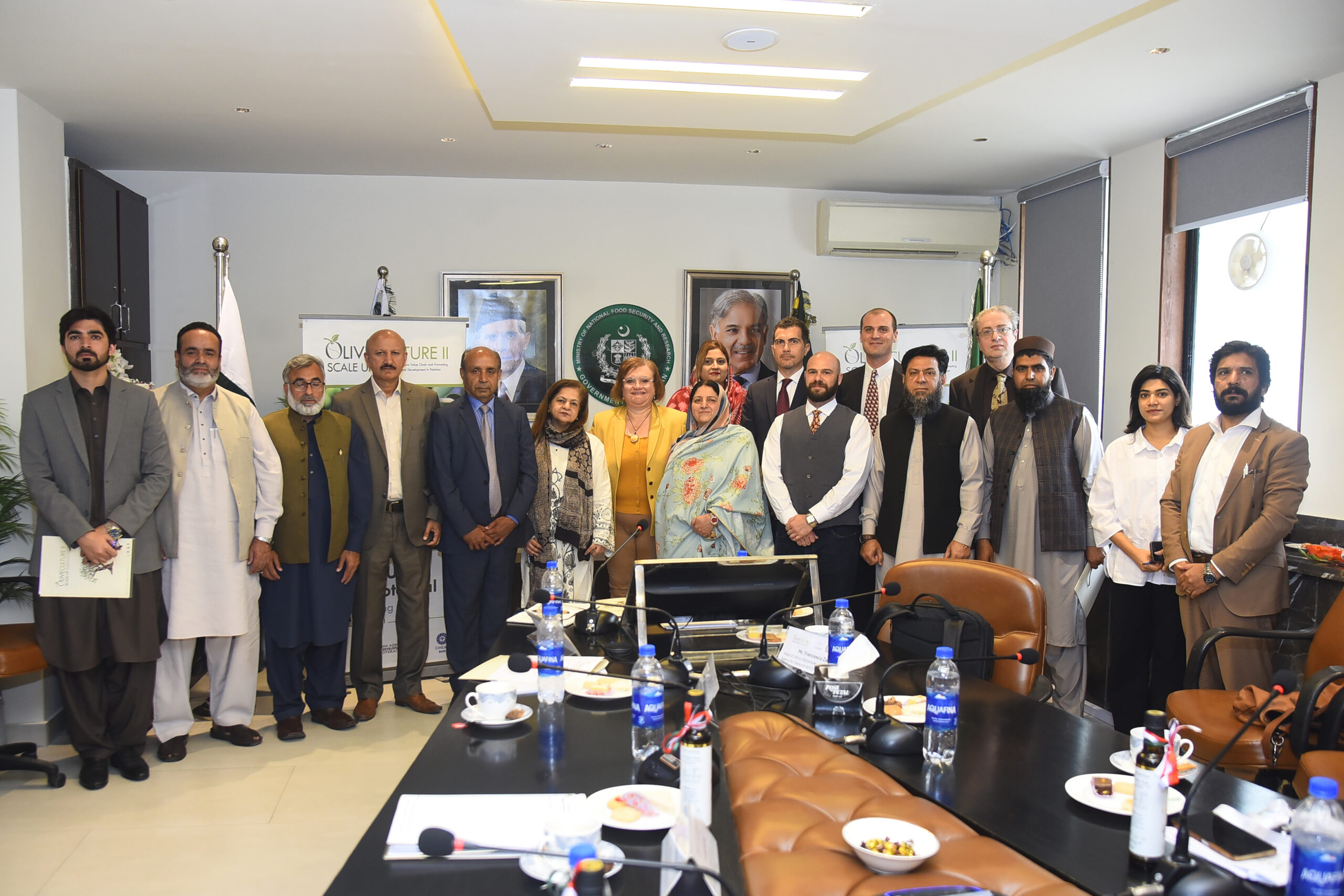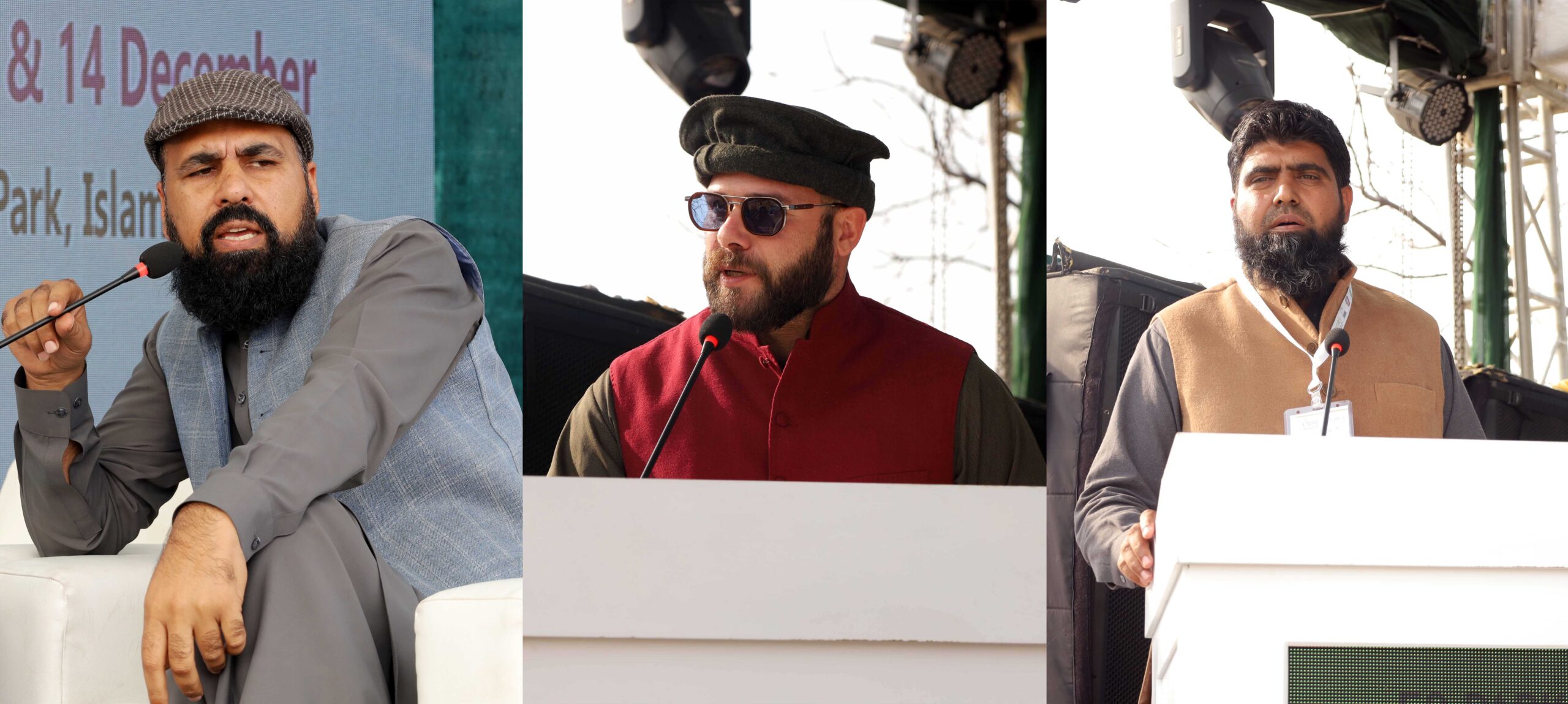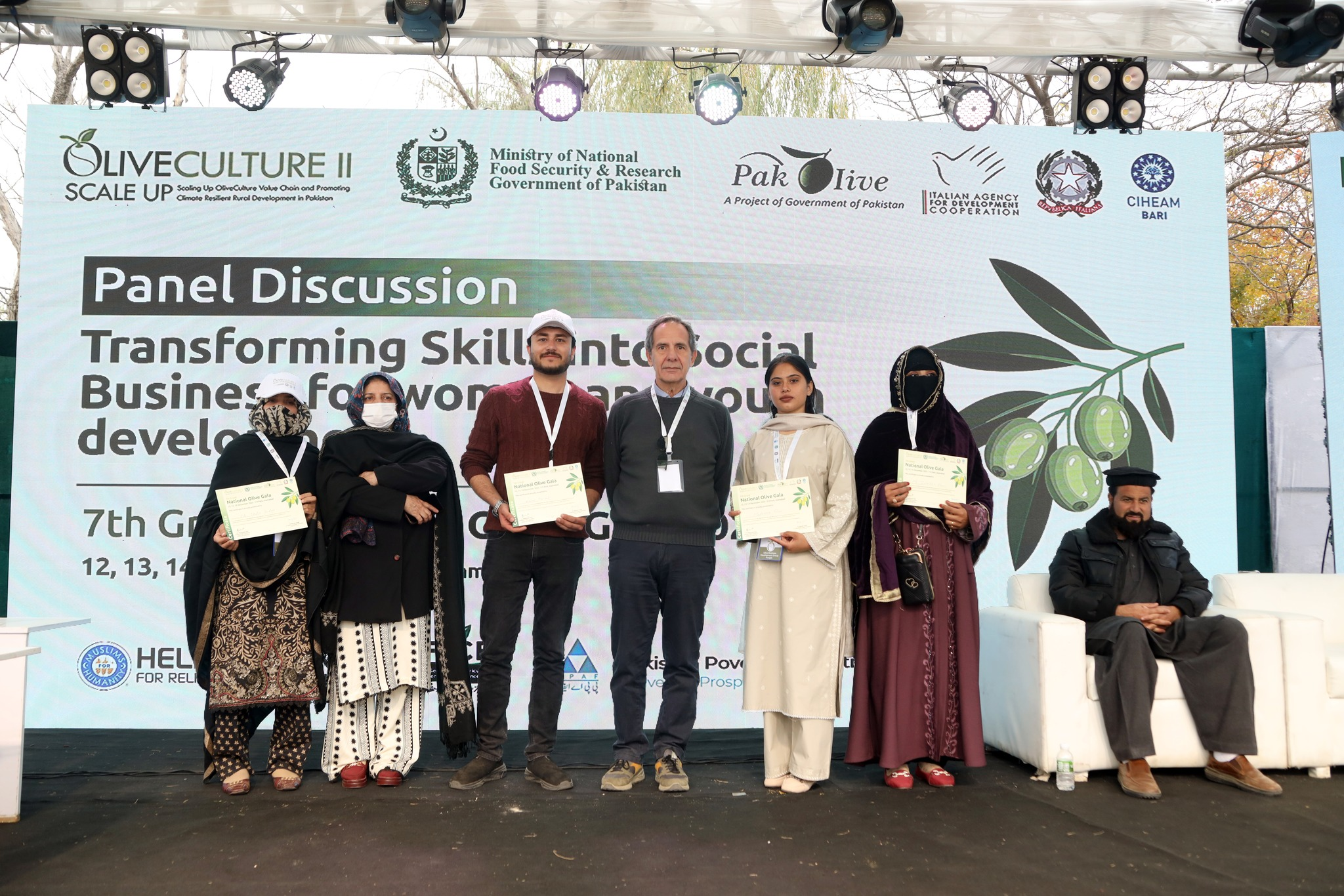
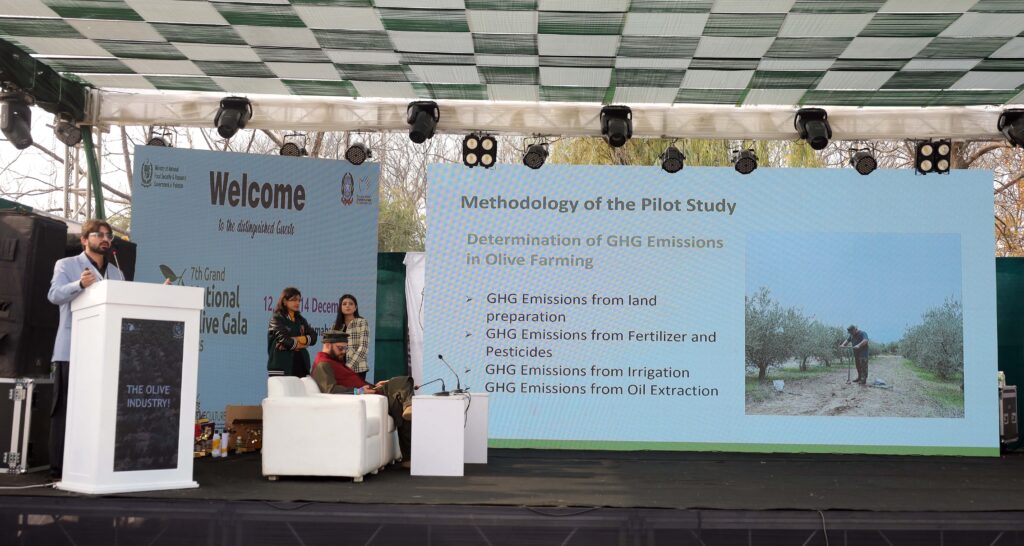
At the 7th Grand National Olive Gala 2025, the focus shifted from production growth to excellence — exploring how Pakistan’s olive industry can achieve higher standards in cultivation, processing, and certification. The sessions on “Advancing Good Agricultural Practices: Insights and Lessons Learned” and “From Extraction to Excellence: Quality, Certification, and Marketing of Olive Oil” gathered over 50 participants including growers, millers, and technical experts, all contributing to a shared vision of a competitive and internationally recognized olive value chain.
Growing Momentum: National Production Snapshot
Pakistan’s olive sector continues to expand in both scale and sophistication. In 2024–25, the country processed 964,519 kilograms of fruit into 121,119 liters of olive oil. Balochistan led production with 53.9 tons, followed by Khyber Pakhtunkhwa (48.02 tons) and Punjab (18.74 tons). With 50 operational olive mills now functioning nationwide, these figures signal the sector’s rapid evolution into a promising agribusiness avenue.
Cultivation Excellence: Toward Smarter Farming
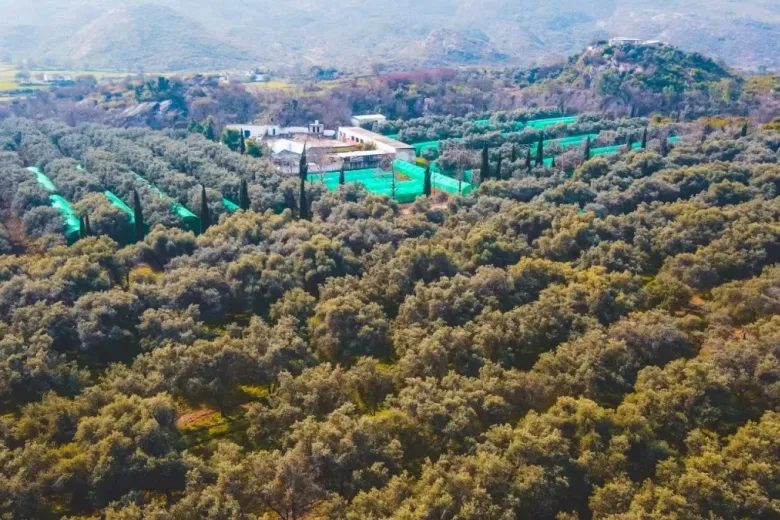
Modern olive cultivation is being reshaped by the adoption of Good Agricultural Practices (GAPs)—from optimized irrigation and pruning to nutrient-balanced soil management. Farms such as Al Atta in Punjab demonstrate how disciplined agronomy and data-driven crop monitoring can transform modest plantations into highly productive groves, achieving yields of up to 15 tons per season. These outcomes represent Pakistan’s steady shift toward climate-smart and resource-efficient olive farming.
Efficiency at the Core: Technology and Milling
Progress in cultivation has been matched by improvement in post-harvest operations. Advanced extraction technologies, coupled with trained mill operators, are ensuring consistent oil quality and reduced processing losses. A new culture of professional management and maintenance is emerging within olive mills — bridging the gap between traditional farming and modern agro-industry.
Tasting Quality: Understanding the Product
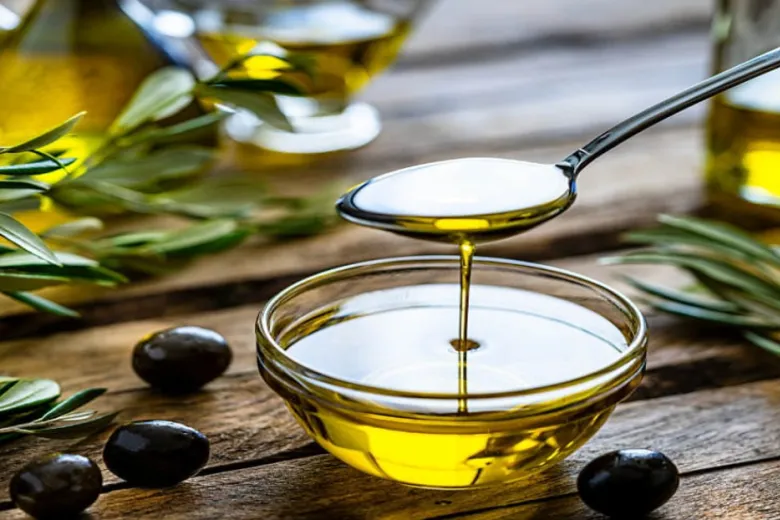
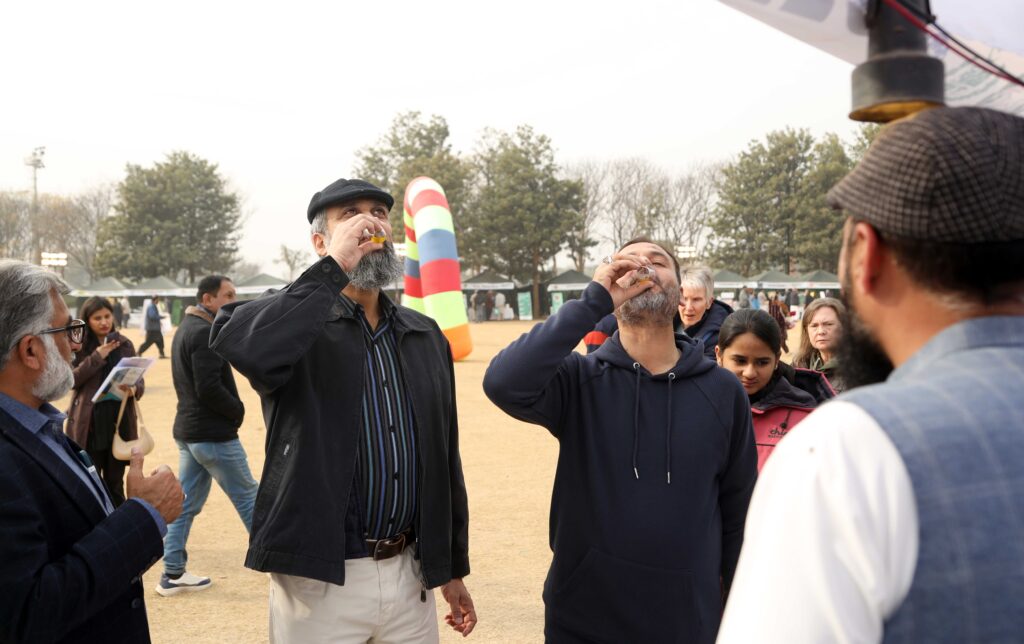
A live sensory evaluation during the Gala allowed participants to experience what defines premium olive oil. From low acidity and controlled peroxide levels to sensory notes like fresh grass or green apple, quality was explored not as a concept but as a measurable, marketable asset. This growing awareness is helping producers connect product excellence directly with consumer trust.
Setting Global Standards: Toward International Certification
The development of Pakistan’s olive oil testing and certification ecosystem has become central to its export ambitions. Aligning laboratories and quality protocols with International Olive Council (IOC) standards will enable domestic producers to access international markets under recognized certifications. Strengthened analytical capacity and sensory labs are key to ensuring traceability, food safety, and brand credibility.
Sustainability in Action: Climate Benefits of Olive Cultivation
Olive cultivation’s environmental impact goes beyond soil enrichment—it actively supports carbon sequestration. Preliminary assessments show Pakistan’s olive groves absorb nearly 4.7 tons of CO₂ per hectare annually, positioning the crop as a natural ally in combating climate change. A forthcoming national study, in coordination with the Ministry of Climate Change, will quantify the olive sector’s total carbon footprint and open pathways to participation in carbon credit markets.
The Road Ahead: Innovation and Market Readiness
The momentum within Pakistan’s olive sector now depends on consolidation — improving farm-to-market integration, digital traceability, and value addition. Private sector participation, certification initiatives, and training for women and youth-led enterprises are gradually transforming the olive economy into a sustainable, export-oriented industry.
The vision is clear: every drop of Pakistani olive oil should represent excellence, authenticity, and environmental responsibility — not just for domestic markets, but for the world.